
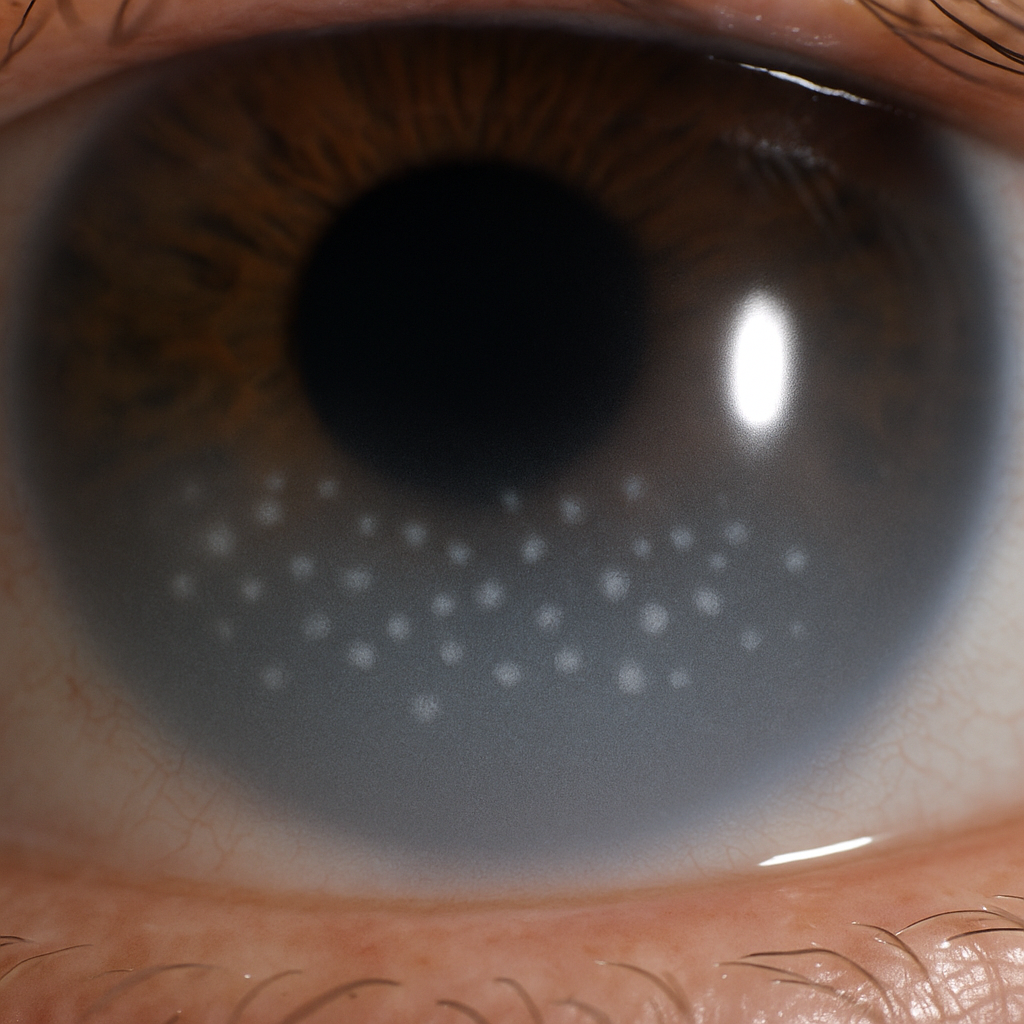
About Uveitis
Uveitis is inflammation inside the eye, affecting the uvea (the middle layer that includes the iris, ciliary body, and choroid). It can also involve the retina and vitreous. The condition may cause redness, pain, light sensitivity, blurred vision, or floaters.
Frequently Asked Questions
What causes uveitis?
Uveitis can be caused by:
Autoimmune diseases (like rheumatoid arthritis, lupus, or ankylosing spondylitis)
Infections (such as herpes, syphilis, or tuberculosis)
Eye injury
In many cases, the exact cause is unknown (idiopathic uveitis)
Are there different types of uveitis?
Yes. Uveitis is classified based on the part of the eye most affected:
Anterior uveitis – affects the front of the eye (most common).
Intermediate uveitis – affects the vitreous.
Posterior uveitis – affects the retina and choroid.
Panuveitis – involves all areas of the uvea.
How is uveitis treated?
Treatment depends on the cause and severity, but may include:
Steroid eye drops, injections, or oral medication to reduce inflammation
Immunosuppressive drugs for autoimmune-related uveitis
Antibiotics or antivirals if caused by infection
Regular monitoring for complications such as glaucoma, cataract, or retinal swelling
Is uveitis serious?
Yes. If untreated, uveitis can lead to permanent vision problems, including glaucoma, cataracts, macular edema, or retinal damage. With proper treatment, most patients can control inflammation and preserve vision.