About Retinal Vein Occlusion
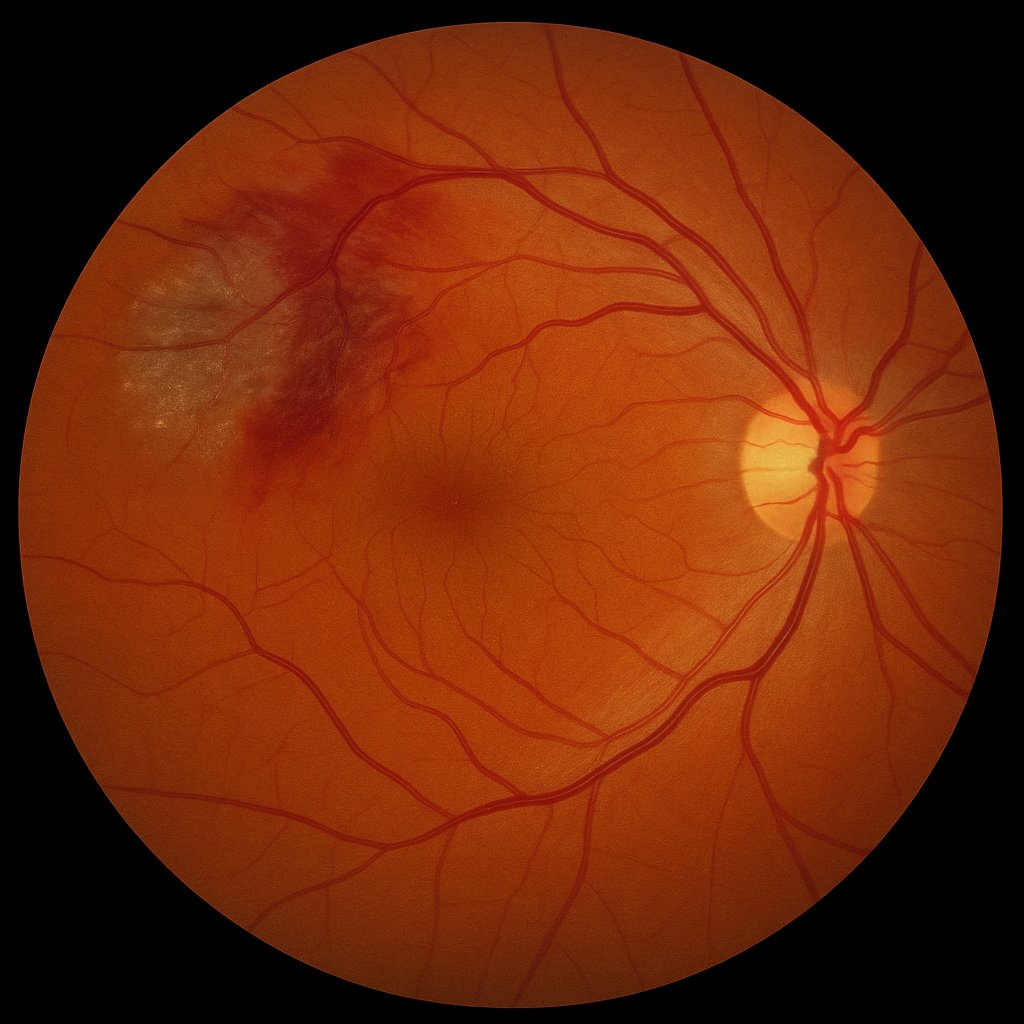
A retinal vein occlusion (RVO) occurs when one of the veins that carries blood away from the retina becomes blocked. This blockage causes blood and fluid to leak into the retina, leading to swelling (macular edema), bleeding, and vision changes.
There are two main types:
Branch retinal vein occlusion (BRVO): blockage of a smaller branch vein.
Central retinal vein occlusion (CRVO): blockage of the main retinal vein, usually more severe.
Frequently Asked Questions
What are the symptoms?
Symptoms may include:
-
Sudden blurred or distorted vision
-
Dark spots or floaters
-
Partial or complete loss of vision in the affected eye
Symptoms usually occur in one eye.
Who is at risk for retinal vein occlusion?
RVO is more common in people with:
-
High blood pressure
-
Diabetes
-
Glaucoma
-
High cholesterol
-
Smoking history
-
Blood clotting disorders
-
Age over 50
How is retinal vein occlusion treated?
Treatment focuses on managing complications like macular edema and preventing further vision loss:
-
Intravitreal injections of medications (anti-VEGF drugs or steroids) to reduce swelling and improve vision.
-
Laser treatment in some cases to reduce abnormal blood vessel growth.
-
Managing underlying health conditions like blood pressure, cholesterol, and diabetes.
Will my vision recover?
Some patients regain useful vision, especially with prompt treatment. Others may have lasting vision changes depending on the severity of the blockage and whether complications like macular edema or neovascularization develop.
Can retinal vein occlusion be prevented?
It can’t always be prevented, but reducing risk factors helps:
-
Keep blood pressure, cholesterol, and blood sugar under control
-
Don’t smoke
-
Have regular eye exams, especially if you have diabetes, hypertension, or glaucoma